
- Details
- Written by: Voltaire
- Category: Blog
- Hits: 148
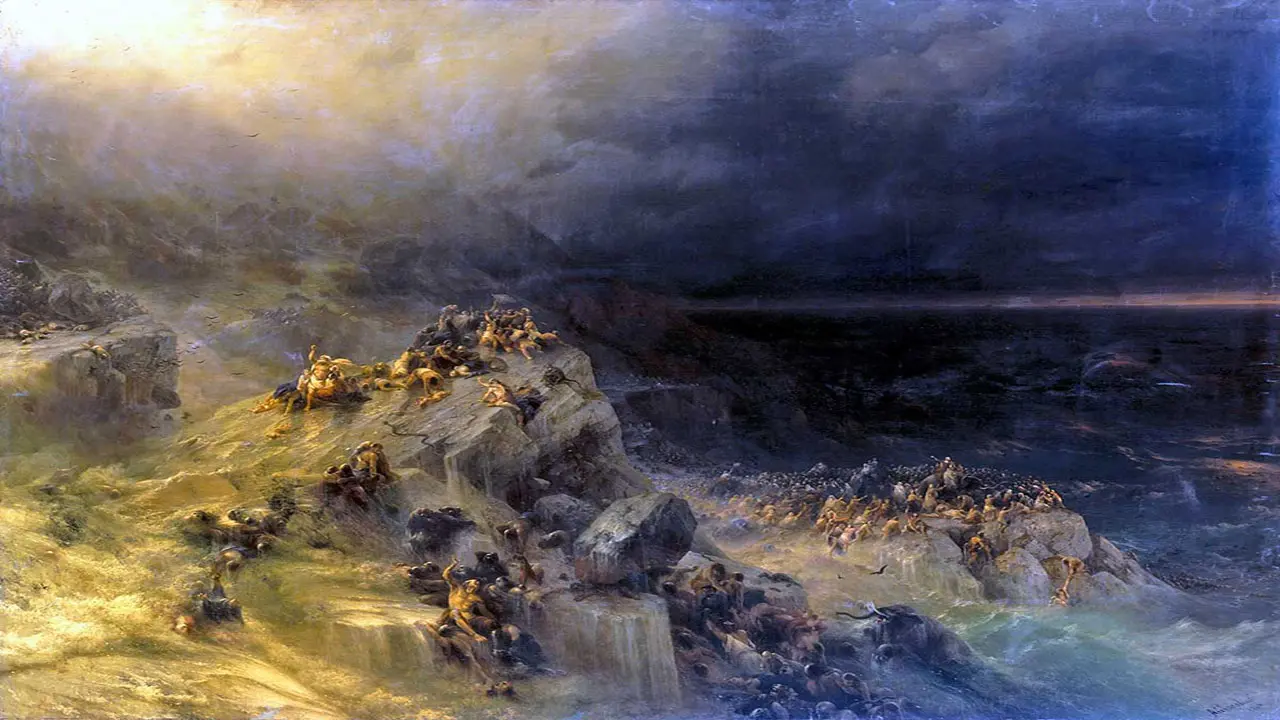
In order to have an idea about something, it is necessary to have at least minimal information about this phenomenon. No information – no phenomenon, period, there is literally nothing to talk about, because due to the fact that our higher nervous activity is largely determined by the use of language, it is necessary to at least know what this phenomenon is called. With God, in this sense, it is difficult. All information related to him is found exclusively in the Bible. However, the Bible does not tell us anything special about him. All that is described in it is the consequences of eating an apple with Adam's rib (later named "Eve"), for if it had not listened to the talkative reptile, both bipedal creatures would have continued to wander mindlessly around the "garden in the east" to this day.
- Details
- Written by: Voltaire
- Category: Blog
- Hits: 145
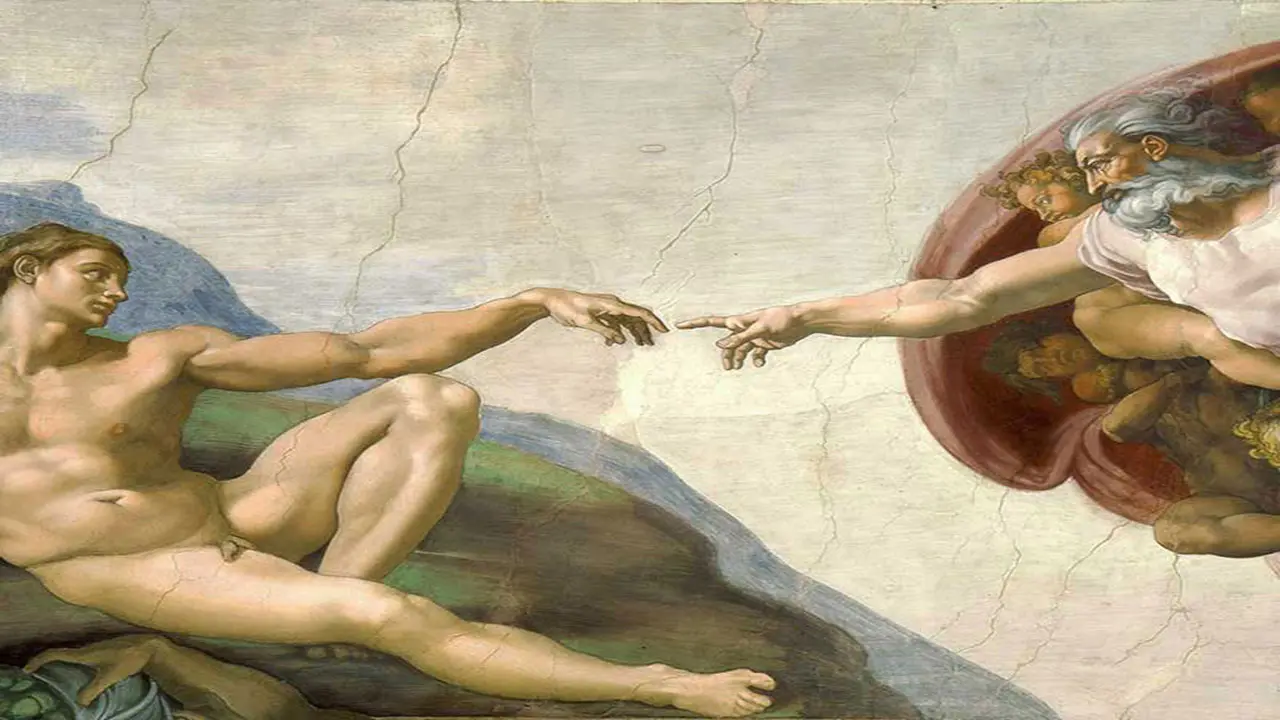
Dear believers, we would like to introduce you to some important aspects of this website's policy. We never had intention offend your religious feelings. In our critical examination of the Bible, we are guided exclusively by the knowledge accumulated by our civilization over the past few thousand years, and the ideas of morality that has changed greatly since the creation of the holy scriptures. At the same time, with all our negative attitude towards the church, we do not want to be enemies of those who still believes. We hope dearly that over time, if the you develop an interest to understanding the real structure of the world, you will be able to look at these things from the point of view of reason and common sense, and not being guided just by one old book written by ancient ignoramuses.
- Details
- Written by: Voltaire
- Category: Blog
- Hits: 154
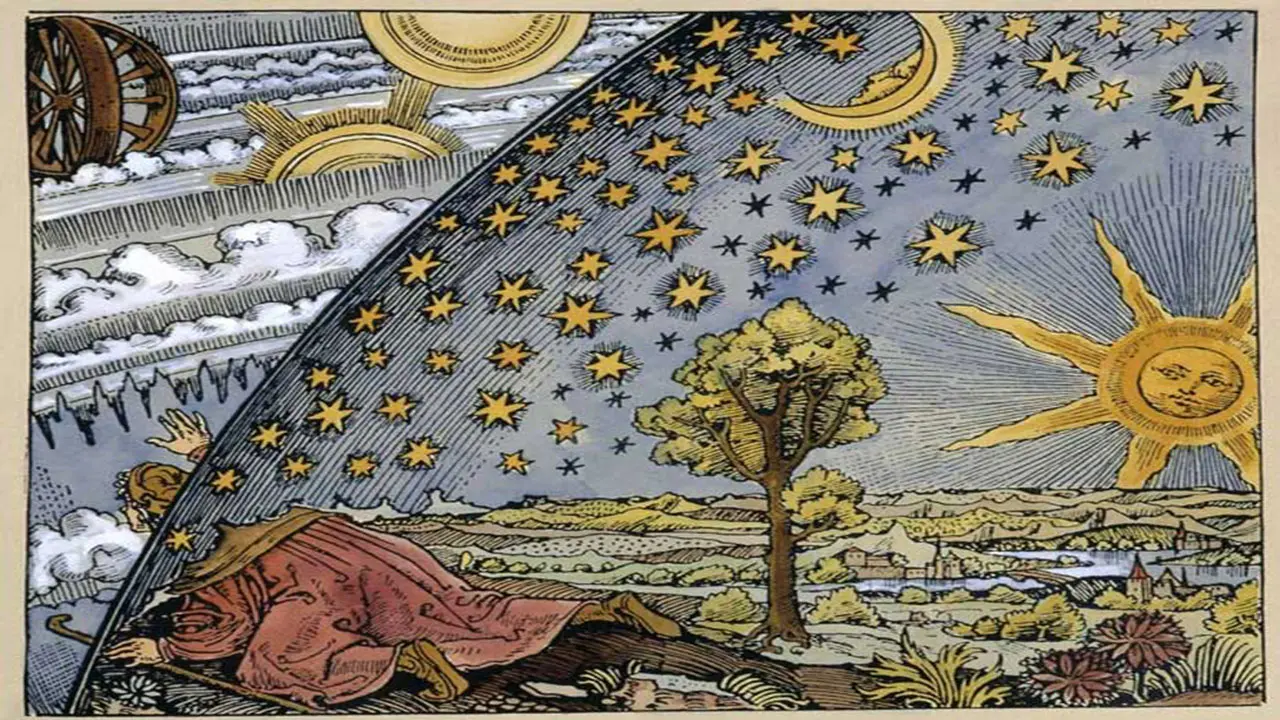
If we need to be labeled, we are atheists. However, this site is not dedicated to atheism as such. Our attitude to the world around us and our interaction with it are not defined by the words "I believe" - "I don't believe" in God. Rather, these are combinations of the words "I know" - "I don't know" and "I think" - "I don't think". In general, being in any group of people has negative consequences even if this group can be characterized as positive. Belonging to atheists automatically gives grounds for believers to declare that we are, they say, just another religion with other gods and objects of worship. Our god is knowledge and technical progress, and we pray to dedication, well, or something like that.
Another problem with atheism is that it does not deny faith as such, but only faith in the supernatural. The need to believe in something is associated with the danger of ending up in the ranks of nihilists, who are not considered very good company.

- Details
- Written by: Alexey Kopchinskiy
- Category: Blog
- Hits: 150
If people are hit over the head with a stick every time they express a thought that displeases the regime, they’ll eventually stop voicing such thoughts. But if the beatings go on long enough, they’ll stop generating those thoughts altogether. In Russia, this beating has gone on for centuries. The capacity to think has been thoroughly beaten out of the Russian population.
In place of forming their own thoughts, Russians now memorize sounds emitted by the television so they can repeat them later if needed. A media diet like this is prone to severe brain damage — which may explain why so many russians obediently lay their lives to the feet of their mad dictator.
- Details
- Written by: Alexey Kopchinskiy
- Category: Blog
- Hits: 119
It’s the most naïve of questions—posed only by those who have no idea what it means to be Russian. Let’s illustrate the situation with an analogy. Parachuting will do. Specifically, mass parachuting.
For a while, everyone was flying somewhere. It even looked like the pilots knew where this massive hunk of machinery was supposed to land. In the aisles, charming flight attendants offered drinks. Passengers cheerfully toasted to Russia and a brighter future. Those who weren’t offered drinks had brought their own anyway.
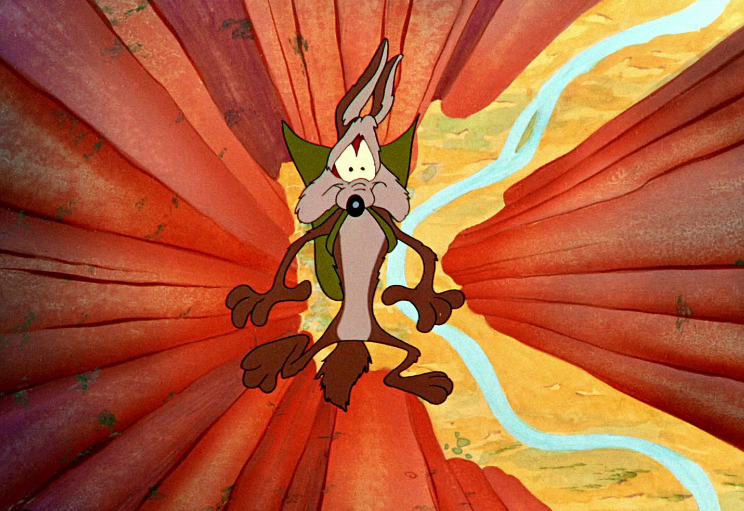
Then something shifted—and the passengers realized they weren’t flying horizontally anymore, but plunging straight down. Almost as fast. Turns out, the plane was made of plywood and broke apart in a hard nosedive. Off in the distance, the pilot is still falling—clutching the control yoke and screaming something into the mic.
Russians are forced to listen because loudspeakers are wired into their heads. They can’t turn them off, since the megaphone in the skull is the country’s main “spiritual bond.”
They’re told that a soft “Russian world” awaits at the bottom. That they’re flying exactly where they should. That everything is going according to plan. Those who doubt this are swiftly approached by people in uniform, cuffed, and gagged.
The absurdity of the moment is amplified by one fact: every falling passenger has a parachute on their back. They could’ve used it long before the descent, had they read the flight plan carefully and understood what this journey was from the start. But now it’s too late. The Russian-style “negative takeoff” has begun. Any attempt to avoid it is seen as treachery of the highest order.
How many are unhappy with the fall? Impossible to say. To outside observers, they appear as a single gray mass—with only a faint flicker of light somewhere in the region of Navalny.
Zoom in, and you’ll see a whole spectrum: some diving with enthusiasm, some plummeting in grim despair. The closer to impact, the greater the share of whimpering. But the uniformed ones are vigilant—now they’re arresting people simply for having a blank expression.
Meanwhile, the world wonders: haven’t they heard of gravity? In answer, squads of priests dart between the falling ranks, relentlessly sprinkling holy water and waving censers over the doomed descent.
What exactly will remain at the place where this sanctified biomass lands—that is perhaps the central mystery of the 21st century.